
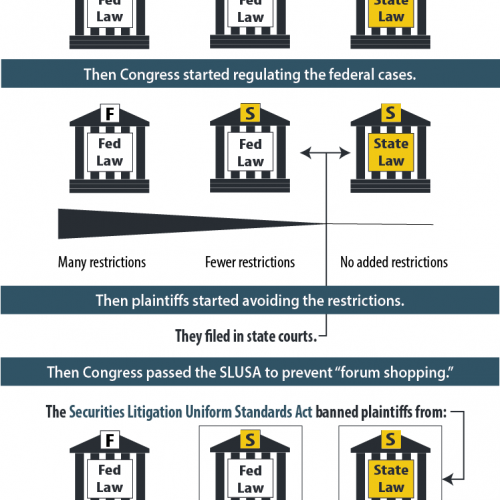
The Supreme Court ruled the retirement fund’s class action can continue in state court, even though it’s based on federal law.
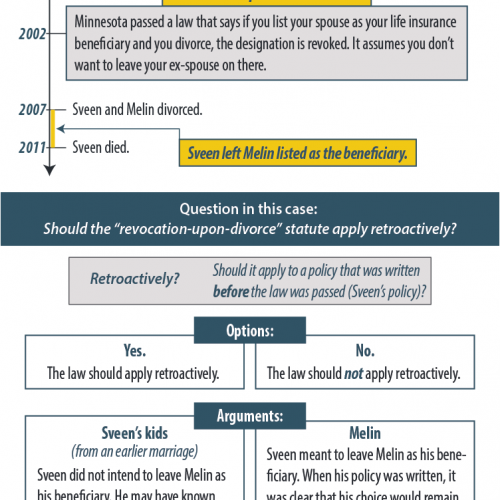
Sveen left his ex-wife designated as his life insurance beneficiary. Can a Minnesota law apply retroactively to revoke the ex-spouse designation?

The Lundgrens have a property dispute with the Upper Skagit Indian Tribe. The tribe claims immunity, but can the disputed property be pulled into court regardless?
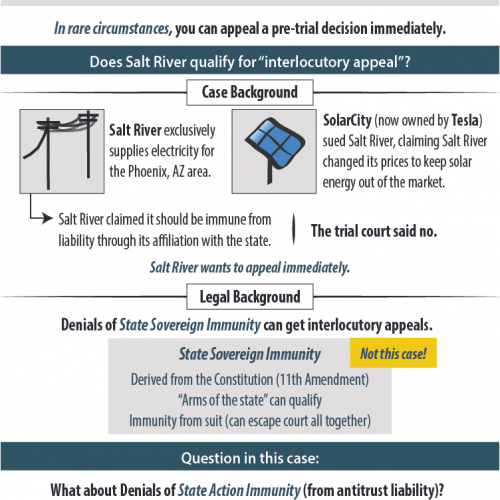
Salt River, an electricity supplier, was denied immunity from antitrust liability. Can Salt River appeal now, or must it wait until the case is over?
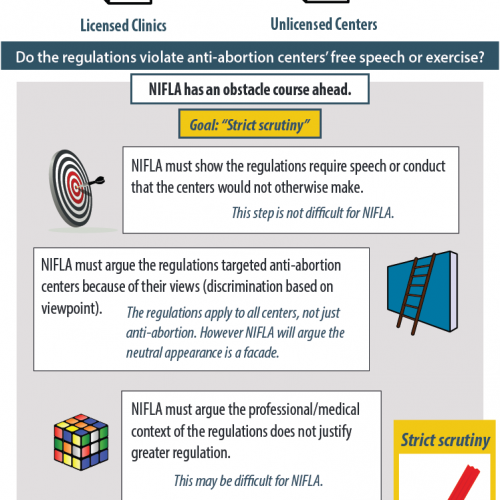
A California law requires anti-abortion pregnancy centers to tell women that abortions are available. NIFLA argues the law violates the centers’ First Amendment rights.

The appeals court correctly chose to review the bankruptcy court determination for clear error instead of de novo review. The determination was primarily fact-based.
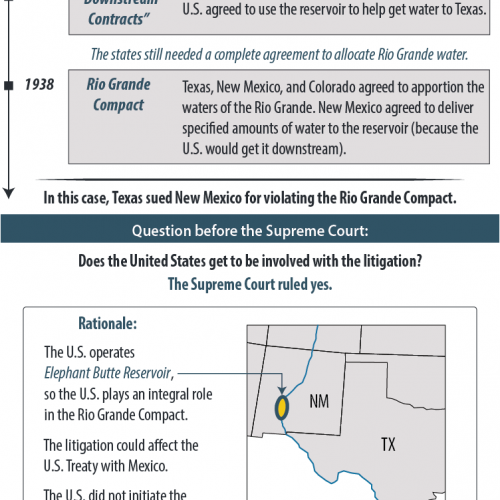
The United States can intervene in the water dispute between Texas, New Mexico and Colorado even though the United States was not a party to the Rio Grande Compact.
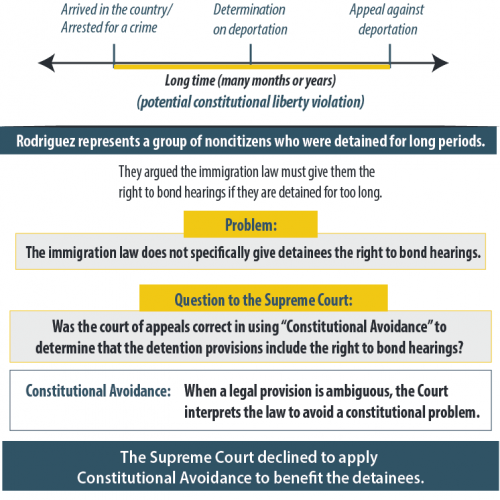
The Supreme Court will not use “Constitutional Avoidance” to imply that noncitizen detainees have the right to bond hearings after being held for a certain amount of time.

Merit Management cannot take advantage of the bankruptcy safe-harbor provision. That provision is meant for transfers to benefit brokers.

The Supreme Court ruled Congress can use its jurisdiction power to affect live cases. It does not violate the Constitution for encroaching on the judicial power.